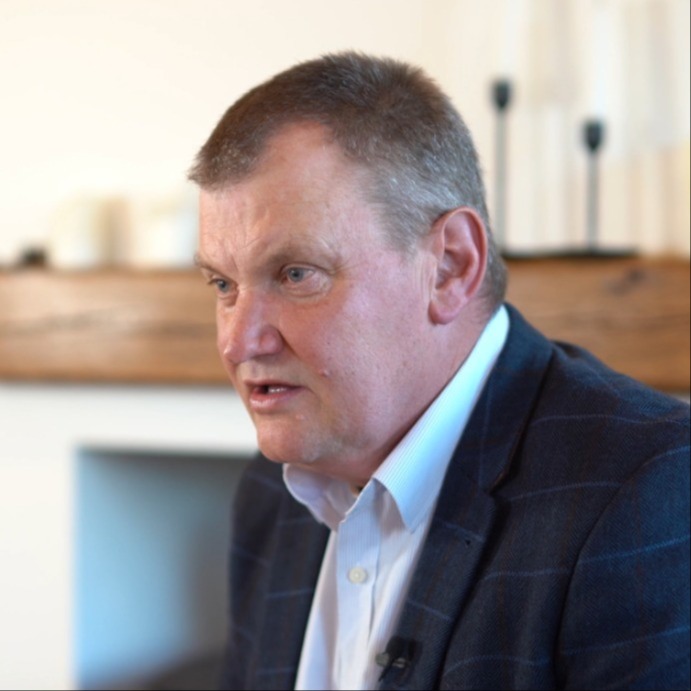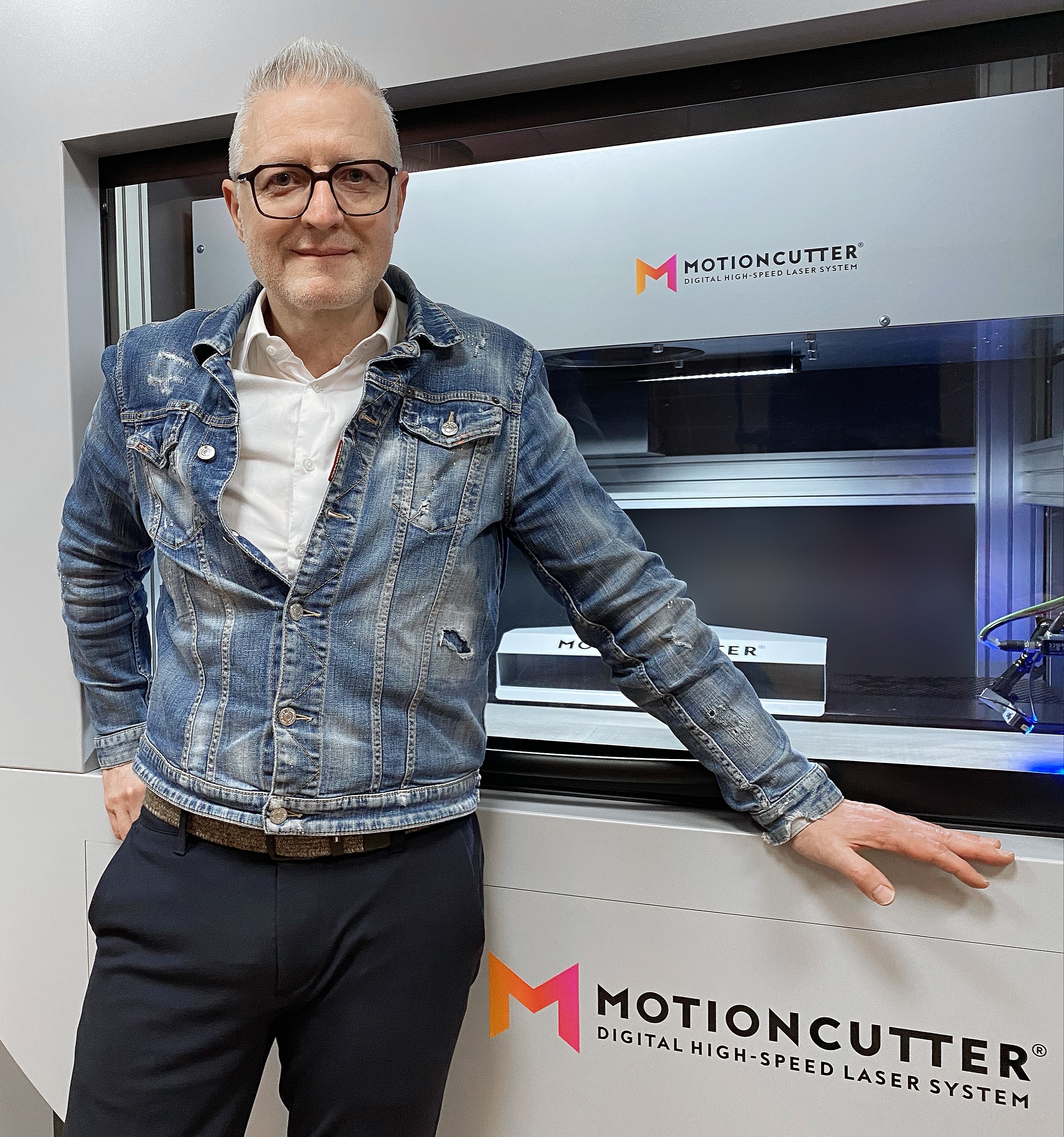
I never set out to build finishing equipment. I’m a printer by trade and printing is what we did for years at THEMEDIAHOUSE, but as our digitally printed direct mail offering grew, I was disappointed when researching finishing options. Digital print was advancing quickly and preprint technology was keeping pace, but no cutting equipment out there seemed to offer the flexibility and agility that digital print providers need to reap the full benefits of digital print from start to finish. It seemed such a missed opportunity when there’s so much potential for finishing to be one of the steps that really enhances a piece of print.
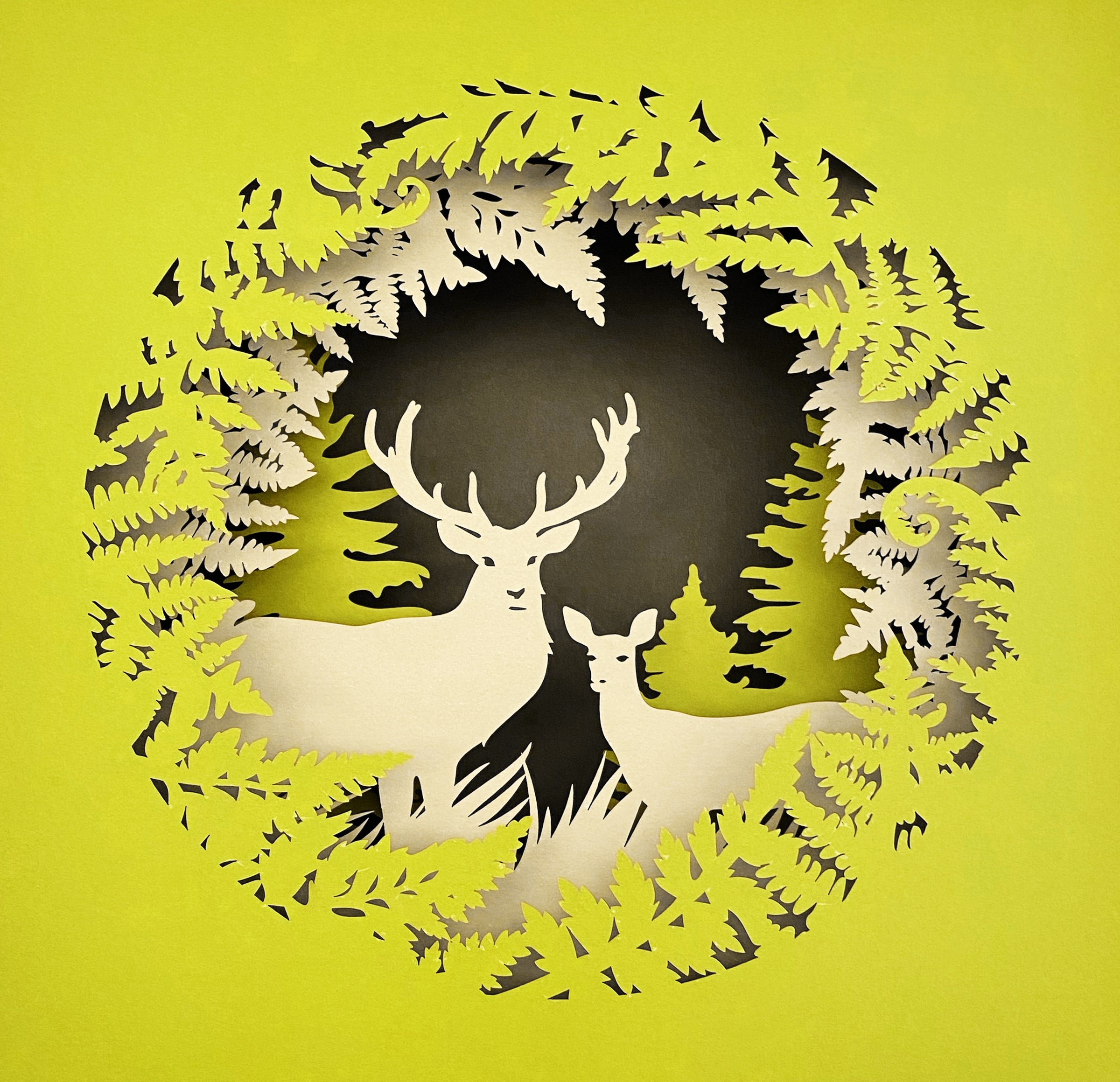
As printers, we want to be able to say yes to our customers. But even more important than that, we want to show them how much more print can do with the data they have. Never mind variable data printing, I wanted the ability to offer my customers variable data finishing. It just didn’t exist yet, so we built it ourselves and Motioncutter was born.
Finishing is the final frontier for futurisation
The frustration I was feeling back in the early 2010s is something a lot of print businesses are still experiencing today. Maybe even more so. The cutting technologies they have just don’t allow enough flexibility to match the small volumes, customisation and personalisation that their digital print offering is so perfect for.
Demand has changed and whatever size a print business is, the shift towards shorter runs, faster turnaround times and more frequent version changes is inescapable. Print orders fly from web-to-print portals through highly automated prepress setups and straight into high-speed digital presses, but once they’re printed, it’s as if time has stopped and they’re right back to the pre-digital era.
There are manual steps throughout many finishing departments. Cutting over here, creasing and perforation over there. Die-cutting in a different room because it’s the only place they could squeeze a machine in when the finishing department outgrew its original footprint. In that sort of environment, multiple operators spend hours moving jobs from step to step, handfeeding and checking on multiple different machines, all the while checking to make sure that small batches and personalised items haven’t been mixed up, and that every item is finished as it should be.
Not only is this hugely time-consuming and wasteful with every manual touchpoint cropping the profit margin, but as the number of jobs climbs and the volumes of those jobs fall, the margin for error grows. And as we all know, every error comes with two costs - the financial one and the one that impacts the customer relationship. In most cases, neither is something that print businesses operating on tight margins can afford.
Single pass laser cutting eliminates the bottlenecks
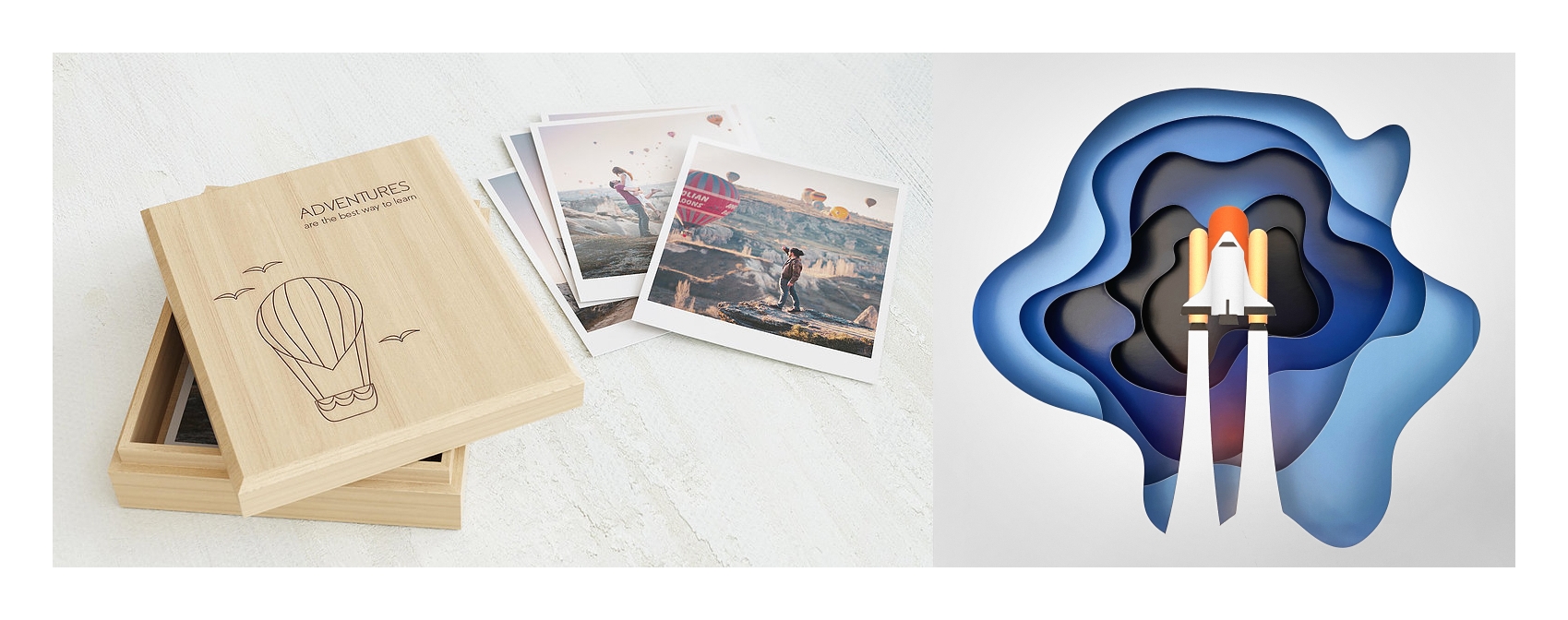
Demand for more creative finishing is on the rise as brand owners look for ways to increase the tactile appeal of the print they buy. They’re looking for the sort of affects you can achieve with structural cutting, creasing, micro-perforation and engraving, but they want this to be combined with individualisation. And they want it without long lead times.
For print businesses to make that happen they need to simplify their finishing operations and move towards accurate and consistent high-speed digital finishing that demands less make-ready time, less manual intervention by operators and fewer steps.
This is why we always see printers’ faces light up when they realise how much is possible with just one machine. Laser cutting enables multiple finishing techniques - cutting, filigree cutting, kiss cutting, creasing, micro-perforation and etching - to be applied in one single pass. This dramatically speeds up production, cuts costs and frees up operator time, while also eliminating the need for time-intensive tooling and setup.
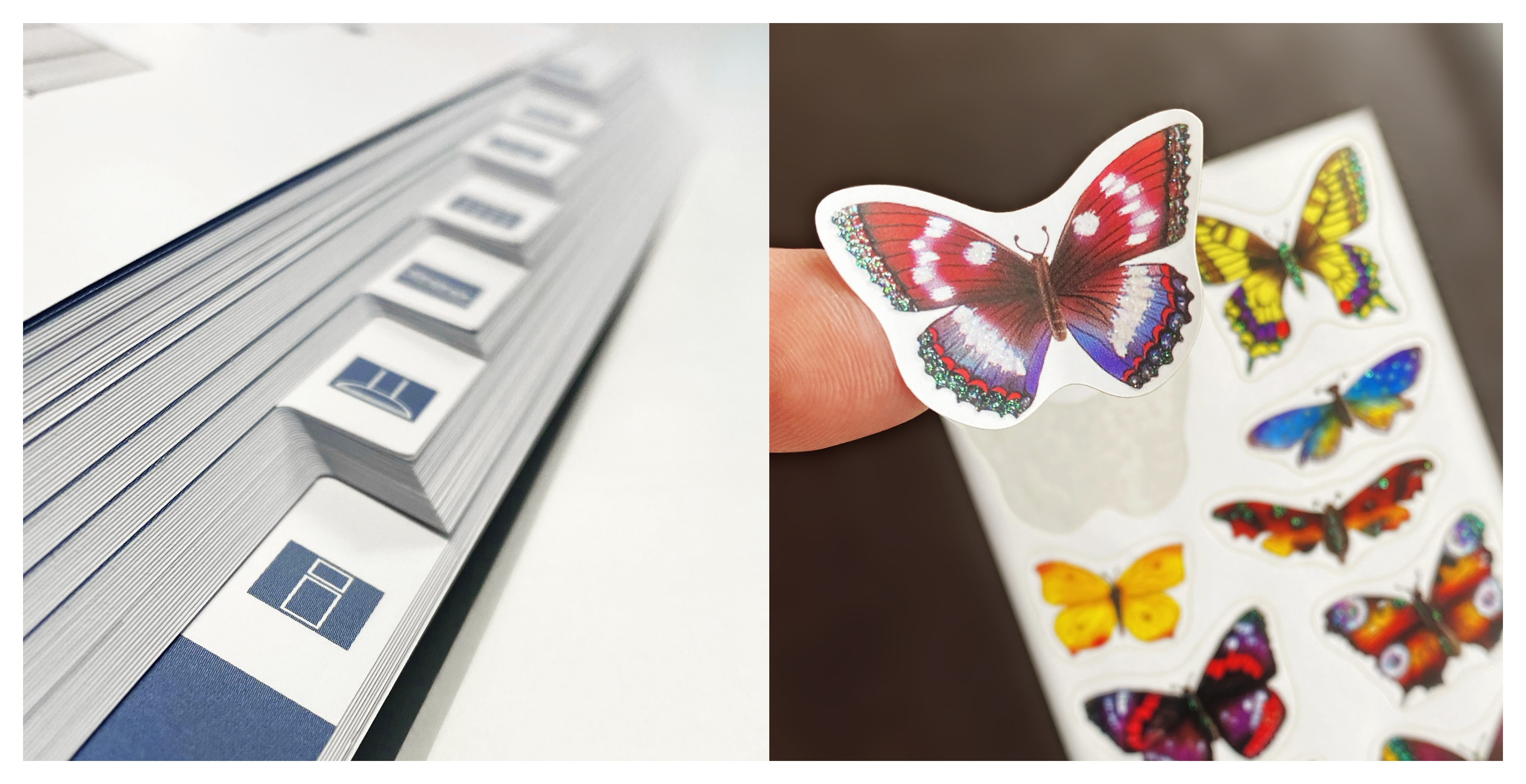
Just as importantly, laser-based finishing enables consistent registration and cut accuracy without the mechanical stress and wear that build up in conventional tool-based processes. That means that accuracy remains stable, sheet after sheet, whether the items you’re finishing are 500 of the same thing or 500 completely different personalised pieces. This not only makes data-driven finishing possible, but reliable too. This was at the front of our minds as we designed our AUTOMATION SUITE to make laser cutting close to self-running production by using code-reading to switch between cut files, keeping variation manageable at speed.
Opting for digital finishing empowers print service providers to not only futurise their workflows, but to do so in a way that elevates the print they produce. It enables them to help customers realise concepts that would have been impractical or uneconomical with their previous methods. That doesn’t just future-proof print businesses, it is future-proofing print itself.
.jpg)